Tackling today’s healthcare challenges requires collaboration from every stakeholder, including patients, academic investigators, site investigators, regulatory agencies, pharmaceutical and device industry leaders, payers, technology companies, and more.
DCRI Think Tanks demonstrate what is possible when you bring smart people together to tackle the biggest challenges in clinical research. From developing innovative approaches to leveraging artificial intelligence, these meetings are about creating pathways to useful, focused discussions across the healthcare continuum and then moving consensus to action.
Our mission: Address the most critical gaps in clinical research by convening leaders across the healthcare industry to map the way forward in designing, conducting, and implementing high-quality, evidence-based research.
Upcoming Think Tanks
U.S. Pediatric Research Requirements & the Path to Feasible, High-Value Studies
October 22 & 23, 2026
Ensuring that children benefit from safe, effective, and evidence‑based therapies remains a shared responsibility across the biomedical ecosystem. Yet meeting U.S. and international pediatric research requirements across FDA, EMA, and related regulatory expectations has become increasingly complex. Scientific, operational, ethical, and financial pressures often collide, slowing progress at the very moment when innovation in adult populations is accelerating.
This Think Tank will convene industry, academic, regulatory, and clinical leaders to address how to make pediatric therapeutic development more feasible without compromising rigor. The goal is a shared, actionable view of what it will take to treat pediatric development as an integrated part of therapeutic innovation rather than a downstream obligation.
In parallel, the group will evaluate regulatory expectations for primary prevention indications, including definitions and evidentiary standards that differentiate primary prevention from disease modification or early treatment, acceptable risk-benefit thresholds, and requirements for post-approval evidence generation.
KEY QUESTIONS:
- What barriers exist to completing clinical trials that are specific to the pediatric population?
- What pragmatic, collaborative strategies can make pediatric studies more feasible, more efficient, and more aligned with real-world clinical and regulatory needs?
- How can modeling, simulation, extrapolation, and real-world data improve the design and conduct of pediatric trials?
- What infrastructure gaps — site capacity, investigator availability, patient identification — most urgently need attention?
- What models of partnership (public–private consortia, shared data platforms, coordinated networks) show the most promise for accelerating pediatric research?
- How can stakeholders align incentives so that pediatric development is prioritized alongside adult programs rather than deferred?
Meeting Directors



Expert Meetings & Resulting Insights
For over 30 years, DCRI Think Tanks have convened leaders across the healthcare industry to map the way forward in designing, conducting, and implementing high-quality, evidence-based research. Below, learn about our most recent meetings and read insights from leading experts, or visit our archive of meetings and publications.


Recent DCRI Think Tanks
Patient experience data (PED) holds significant promise for informing regulatory decision-making, yet its full potential remains underutilized across the medical product lifecycle. Gaps in early planning, misaligned evidentiary expectations, and unresolved questions about stakeholder accountability continue to limit the effectiveness of PED generation and application. This DCRI Think Tank brought together regulators, sponsors, methodologists, payers, academics, and patient advocacy representatives to explore how PED can be more intentionally integrated to support benefit-risk assessments, regulatory labeling, and broader healthcare decision-making.
Meeting attendees discussed the following themes and opportunities for action:
- How should PED be integrated into clinical development plans from the outset, and what does early, iterative engagement with regulators look like in practice?
- What mixed-methods approaches (combining qualitative research, patient-reported outcomes, and patient preference information) are needed to fully capture the patient experience, and when should each be used?
- What is the appropriate evidentiary bar for PED, and how does it differ across regulatory approval, payer coverage, HTA decisions, and real-world adoption?
- How can stakeholders move from "regulatory-grade" to "decision-grade" evidence, and what does that shift require in practice?
- What are the barriers to global harmonization of PED evidentiary expectations across regulators, HTA bodies, and payers, and what would a harmonized framework look like?
- When should legacy endpoints and instruments be adapted versus replaced, and how do stakeholders balance methodological rigor with feasibility?
- How can patient burden from lengthy or redundant questionnaires be minimized without compromising data quality?
- What incentives or accountability mechanisms are needed to ensure robust PED collection is prioritized across the product lifecycle, including post-market phases?
- How can data-sharing agreements, consent language, and publication norms be structured to encourage the dissemination of PED findings, including from negative trials?
Learn More About This Think Tank
Directors: Emily O'Brien, PhD, DCRI, and Amylou Dueck, PhD, Mayo Clinic; Meeting Fellow: Tina Cheng, Duke University
From administrative efficiencies to early-stage drug discovery and trial optimization, artificial intelligence (AI) is reshaping the clinical research landscape. The field continues to explore practical applications of AI, including integration into regulatory review, as well as opportunities in late-stage clinical development and post-market surveillance. These expanded applications present new opportunities and challenges that demand thoughtful exploration.
This Think Tank brought together leading experts from across the clinical research ecosystem, including academia, industry, regulatory agencies, patient advocacy, and others, to explore the evolving role of AI in the later stages of clinical development. The program examined how AI has been supporting the execution, conduct, and analysis of the trials, including data collection, transformation, and interpretation. The program also evaluated the standards that have been applied to AI use cases and how they should be developed to inform efficient, transparent, and ethical use of AI within clinical research.
As AI capabilities accelerate, the clinical research field must address the widening gap between technological potential and practical implementation. This program explored how to responsibly advance AI adoption while ensuring safety, compliance, and scientific rigor.
Key Themes and Objectives
- What has AI accomplished in clinical development to date, and what critical gaps remain? What standards have been applied for AI adoption across the clinical research ecosystem?
- How can AI support data collection, transformation, analysis, and interpretation of Phase III and Phase IV FDA-mandated studies?
- How are regulators currently leveraging AI, and what governance, safety, and evidentiary standards are needed?
- How does the FDA’s AI guidance inform algorithm use and risk-based strategies?
- What are the implications of AI-enabled safety data management and post-market surveillance?
Directors: Michael E. Matheny, MD, MS, MPH, FACMI, FAMIA, Vanderbilt, and Sreekanth Vemulapalli, MD, DCRI; Meeting Fellow: Husam Salah, MBBS, Duke University
As the clinical trial landscape evolves, particularly in the face of increasingly complex and costly outcomes trials, there is growing urgency to identify and validate alternative endpoints that extend beyond mortality and other “hard” outcomes. These alternative endpoints, which may require shorter follow-up and smaller sample sizes, offer the potential to streamline trial design, reduce resource burdens, and accelerate access to effective therapies.
This Think Tank convened a group of stakeholders to explore the opportunities and challenges of advancing surrogate and nontraditional endpoints for regulatory-enabling clinical trials. The discussion drew on cross-disciplinary expertise, with a particular focus on functional measures, surrogate endpoints, and patient-reported outcomes as meaningful indicators of clinical benefit across therapeutic areas.
This session aimed to answer the following key questions:
- Which recent surrogate endpoints gained regulatory approval, and how did disease context affect their acceptance? How quickly did regulators, clinicians, and patients adopt these endpoints?
- In what scenarios were conventional endpoints no longer practical or sufficient to capture meaningful clinical benefit? What factors (regulatory, industry, clinical) perpetuated their continued use?
- How could we expand the use and regulatory acceptability of alternative endpoints, such as imaging, functional measures (e.g., muscle or cognitive function), and patient-centered outcomes (e.g., quality of life or symptom scores)? How did practical use compare in rare versus common diseases and pre- and post-approval?
- What did “known benefit” mean in the context of regulatory certainty? What were the expectations for endpoints that were “reasonably likely to predict clinical benefit”? Did these need to evolve with recent advances in preventative care?
- What special considerations apply when designing trials for prevention or lower-risk populations? How do we take steps towards validating endpoints that inform successful prevention and “efficacy” in lower-risk populations over a manageable timeframe?
Directors: Lesley Inker, MD, MS, Tufts, and Christopher Mosher, MD, MHS, DCRI; Meeting Fellow: Kristin Corey, MD, Duke University
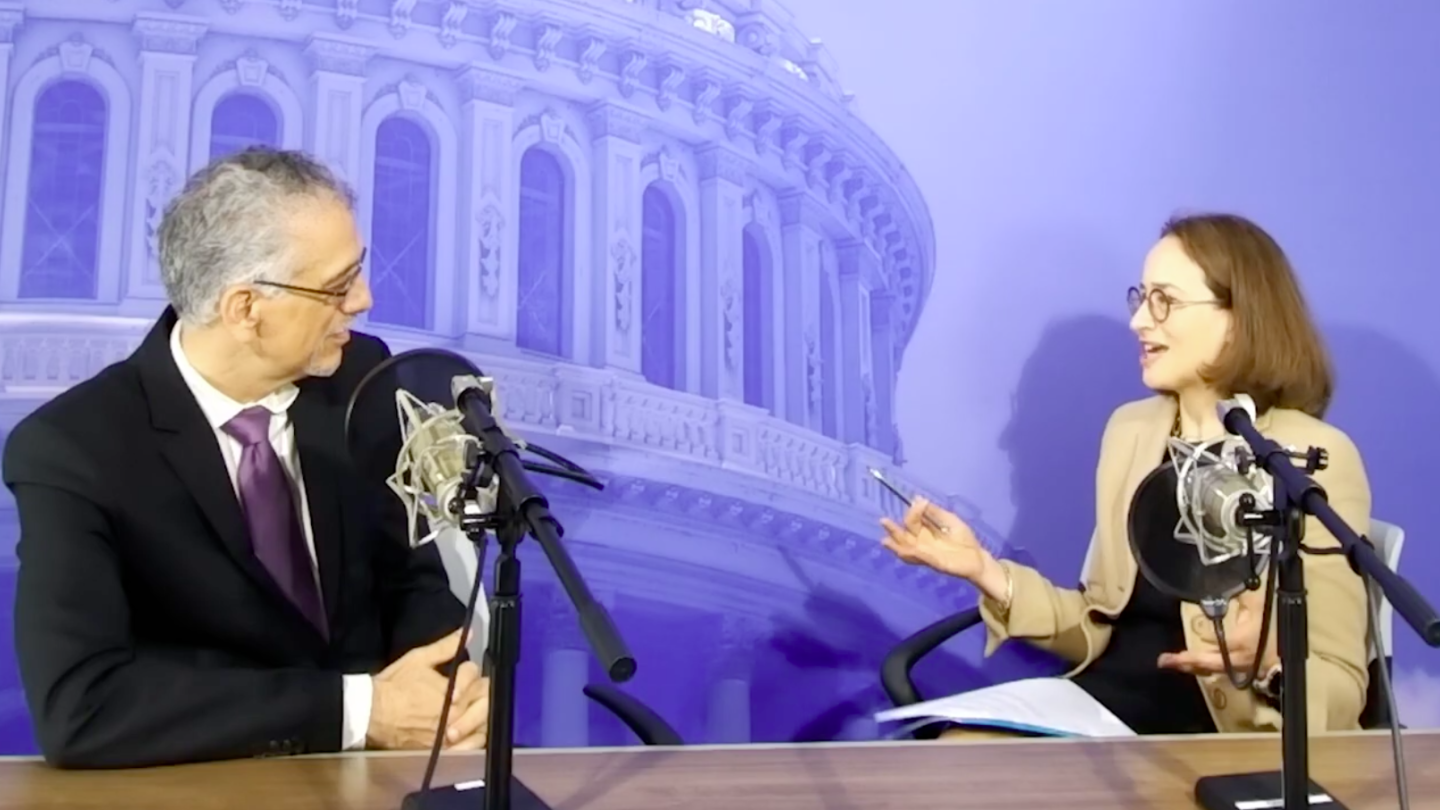
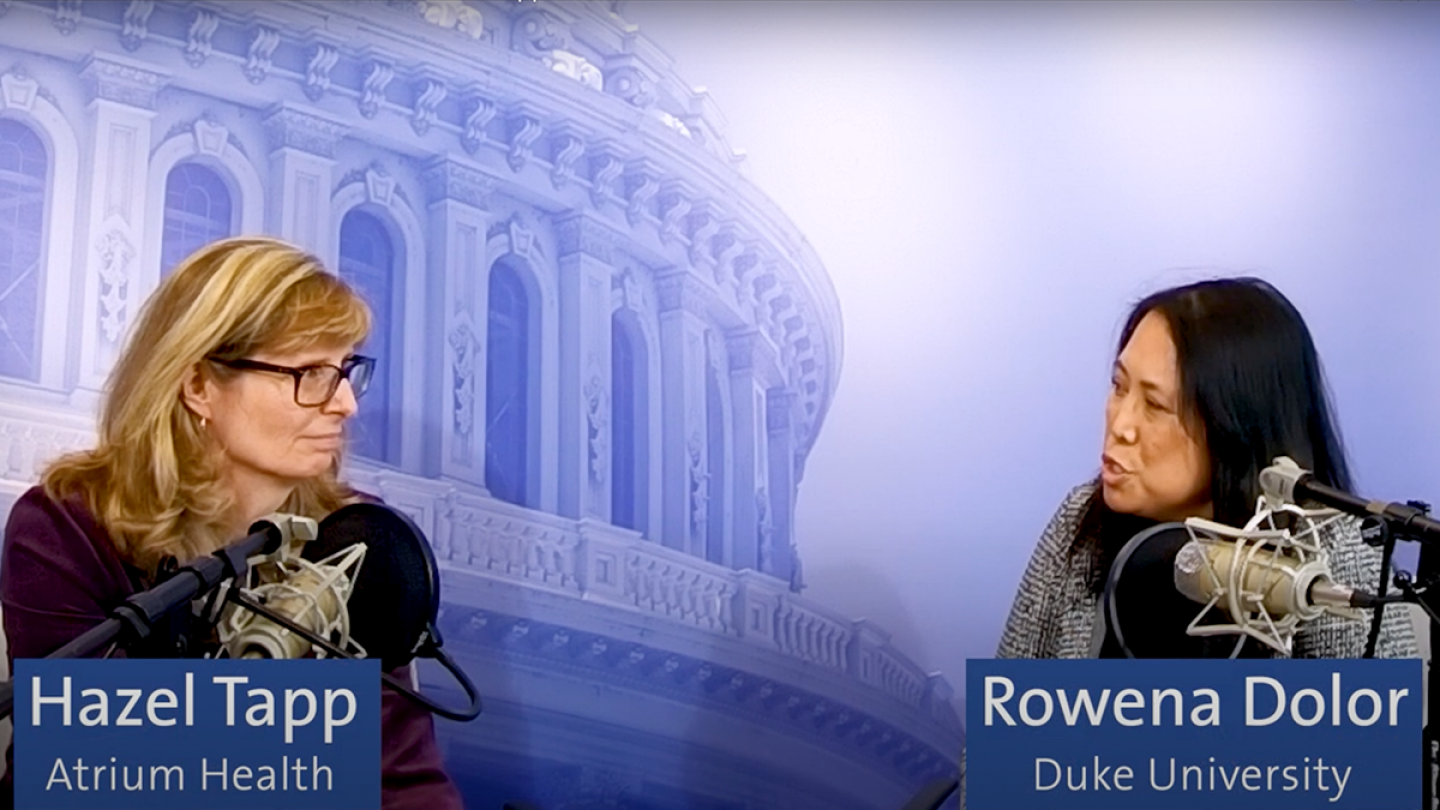
Primary care is the cornerstone of a healthcare system, providing comprehensive and continuous care to patients. It plays a crucial role in managing chronic health conditions, promoting preventive care, and ensuring timely access to medical services. However, due to the volume and breadth of patient care, and limited resources, primary care providers often face significant challenges in integrating clinical research and rapidly implementing research findings into practice.
Meeting attendees discussed these challenges and identified innovative strategies to move the needle on embedding clinical research into primary care practice. Key questions they considered included:
- How is primary care evolving, and where are there opportunities to better integrate clinical research? How do primary care research settings differ from other clinical research sites?
- How can we engage and support primary care clinicians to increase their participation in clinical research? How can we leverage existing primary care research networks?
- What types of clinical trials or other clinical research are most suitable for primary care settings? How do we design trials to fit into primary care settings?
- What role can technology play in supporting primary care clinicians to participate in clinical trials?
- What are the potential use cases of trials in primary care settings that bring value to patients, primary care clinicians and their health systems, and industry partners?
Directors: Rowena Dolor, MD, MHS, DCRI; Russel Rothman, MD, MPP, Vanderbilt; Meeting Fellow: Ryan M. Kane, MD, MPH, Duke University
Recent Summits and Additional Programs
The DCRI convened key stakeholders on April 8-9, 2026 to address the challenge of early cardiovascular disease (CVD) prevention. Despite decades of evidence-based guidelines and an expanding array of preventive therapies, CVD remains the leading cause of death worldwide. A fundamental limitation of the current prevention paradigm is its largely reactive nature, addressing risk factors once they have reached abnormal levels and targeting people who have already developed anatomical disease and are at high short-term risk of clinical events. The objective of this meeting was to build consensus and generate actionable recommendations regarding optimal timing, target populations, clinical trial design, and regulatory considerations necessary to intervene on risk factors of CVD in people who are healthy but at elevated lifetime risk of CVD.
Directors: Neha Pagidipati, MD, MPH, DCRI, and Khurram Nazir, MD, MPH, Houston Methodist; Meeting Fellow: Seamus Hughes, MD, Duke University
Recent Think Tank News & Publications



Leaders and Partners
The DCRI Think Tanks Advisory Board
Advisory board partnerships with industry leaders help the DCRI Think Tanks program address the right topics, at the right time, with the right people. Our partners provide crucial insight and connections that go beyond DCRI's clinical and operational expertise. From guidance on attendees, framing discussion topics, and contributions to resulting publications, our advisory board members are players in the lifecycle of every event.